Where to stay in Munich? Districts, prices and journey times compared
Munich costs €175 a night on annual average and around €415 a night during Oktoberfest. Which district suits which trip, measured in minutes rather than adjectives, and when booking is too late.
In Munich, the question of which district to stay in is first a question of price. Between an ordinary November and Oktoberfest week, the same city varies by a factor of four, and that shifts every recommendation.
On the depth of supply: OpenStreetMap records 490 accommodation businesses within the city limits, including 416 hotels, 24 hostels, 28 guesthouses, 22 holiday apartments and 5 campsites, as of 12 September 2026.
How much does a room cost, and when?
The monthly averages for 2026 show the seasons more clearly than any description. They are city-wide averages across all categories, not prices by category.
| Month | Average room price |
|---|---|
| January | €95 |
| June | €130 |
| September, with the Wiesn | €280 |
| October, tail end and trade fairs | €210 |
| November | €95 |
| December, with the Christmas markets | €105 |
Outside the peaks, a decent three or four-star hotel inside the ring road costs €70 to €180 a night. That is the range you can plan on, as long as you avoid the Wiesn and the trade fair weeks.
The only reliable comparison is a dated one: the monthly averages above tell you how expensive the period is overall, not what your room costs. The places to stay in Munich available for your dates show the actual price with the cancellation deadline, and free cancellation is worth every euro in a city with swings like these.
Check prices for your dates →Affiliate link: a booking through this link supports the site, at no extra cost to you.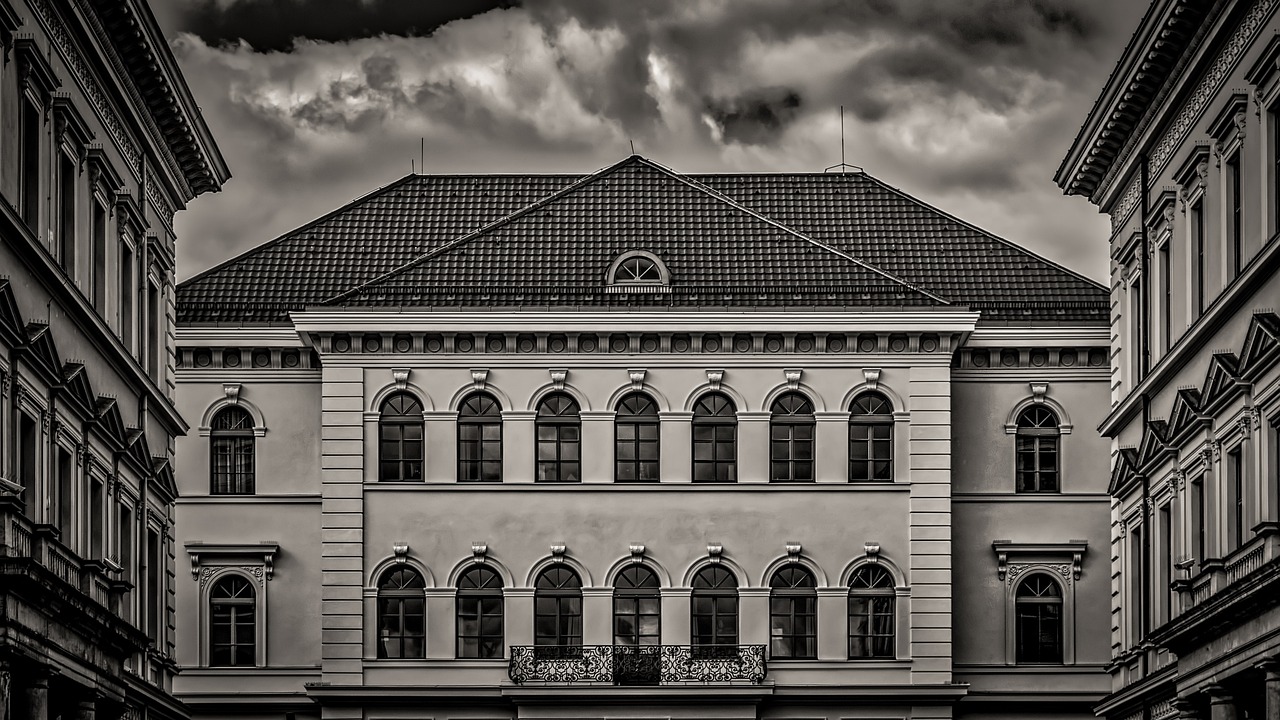
Photo: Bbb, CC BY-SA 3.0, via Wikimedia Commons
Which district suits which trip?
The journey times in this table are surveyed, not estimated. The assessments of noise and atmosphere are not: they reflect what local guides consistently report, and there are no measurements behind them.
| District | Character | Journey to Marienplatz | Best for |
|---|---|---|---|
| Altstadt (old town) | touristy, lively in the evening | 0 to 10 minutes on foot | first visit, short distances |
| Lehel | quiet, residential, few late bars | About ten minutes on foot | peace without distance |
| Glockenbachviertel | nightlife district, lively until late | About twelve minutes on foot | evenings, going out |
| Maxvorstadt | museums, university, cafés | about 15 minutes on foot | culture, quieter than the centre |
| Haidhausen | residential, local, quiet nights | Six minutes by S-Bahn | longer stays |
| Schwabing | well-heeled bohemian, lots of green | Eight minutes by U-Bahn, 25 to 35 minutes on foot | English Garden on the doorstep |
| Ludwigsvorstadt, around the main station | rough after midnight, very well connected | a good ten minutes on foot | early departures, tight budget |
Two notes on safety, as precise as the sources allow. Munich is consistently regarded as a very safe city; the area around the main station is the only one regularly described as less pleasant at night, with visible drinking.
The other point concerns, of all places, the old town: it has the highest density of pickpocketing because it has the highest density of people. No figures per district are published, so this remains a qualitative warning.
If you want to decide on location before price, start with the map view of places to stay in Munich and put the table above next to it.
Why do Wiesn prices swing so hard?
Because supply is fixed and demand triples. Analyses of revenue management data for 2026 give a city average of around €415 a night during Oktoberfest, against €175 a night on annual average and €261 a night as the autumn average.
As a multiple: 2.5 to 3.5 times the normal price. What matters most is less the district than the distance to the Theresienwiese.
| Distance to the Theresienwiese | Typical price during the Wiesn |
|---|---|
| walking distance | €300 to €500 a night |
| one U-Bahn ride away | €200 to €350 a night |
| outlying areas, hostels, apartments | Under €200 a night |
To put spending on the grounds in context: a Mass (one-litre beer) cost €14.00 to €15.50 in the big tents, half a roast chicken €14 to €18, and a table reservation usually includes a food and drink voucher of €60 to €80 per seat.
When should you book?
For the Wiesn in September there is a clear pattern, even if no official date exists for it.
- January to March: well-located three and four-star hotels with a direct U-Bahn connection can still be found at the lower end of €200 to €350 a night.
- April and May: places within walking distance thin out, and prices move towards 300 to 400 euros.
- From late July: what is left in the city is essentially the expensive stock. In July 2026, hotels in the surrounding region still cost €61 to €70 a night, comparable hotels in the city €200 to €300 a night.
There is no official date after which "nothing is left". Occupancy data sits with hotels and booking platforms and is not published. If you still want a rule: book before March, and after July do not count on normal prices.
Coming from the UK, North America or further afield, you will probably book flights months ahead anyway. Booking the room at the same time, with free cancellation, is the simplest way to stay on the right side of that curve.
For the Wiesn itself: prices do not rise evenly but in jumps, as soon as the places within walking distance are gone. A look at availability for a September weekend shows you in a minute which of the three distance bands you are searching in, and whether one station further out is worth it.
Check a September weekend →Affiliate link: a booking through this link supports the site, at no extra cost to you.
No accommodation tax, but other extras
Good news first. Munich's municipal accommodation tax: none. Bavaria has banned such levies, and the ban was upheld by the constitutional court in 2025. Older cost comparisons that list a bed tax for Munich are out of date.
What gets added instead is in each hotel's small print and gathered nowhere:
- Breakfast, if not included: €15 to €30 per person.
- Parking in the hotel's own garage: usually 15 to 30 euros a day, depending on location.
- Deposit for apartments and hostels: €100 to €300, varying from place to place.
- Minimum stay during the Wiesn: often three to four nights, frequently with a non-refundable prepayment.
The last point is the most expensive. If you plan two nights and have to pay for four, you lose more than any price comparison could save, and this condition rarely appears in the overview, only in the terms. You can check it in the offers for Munich before booking.
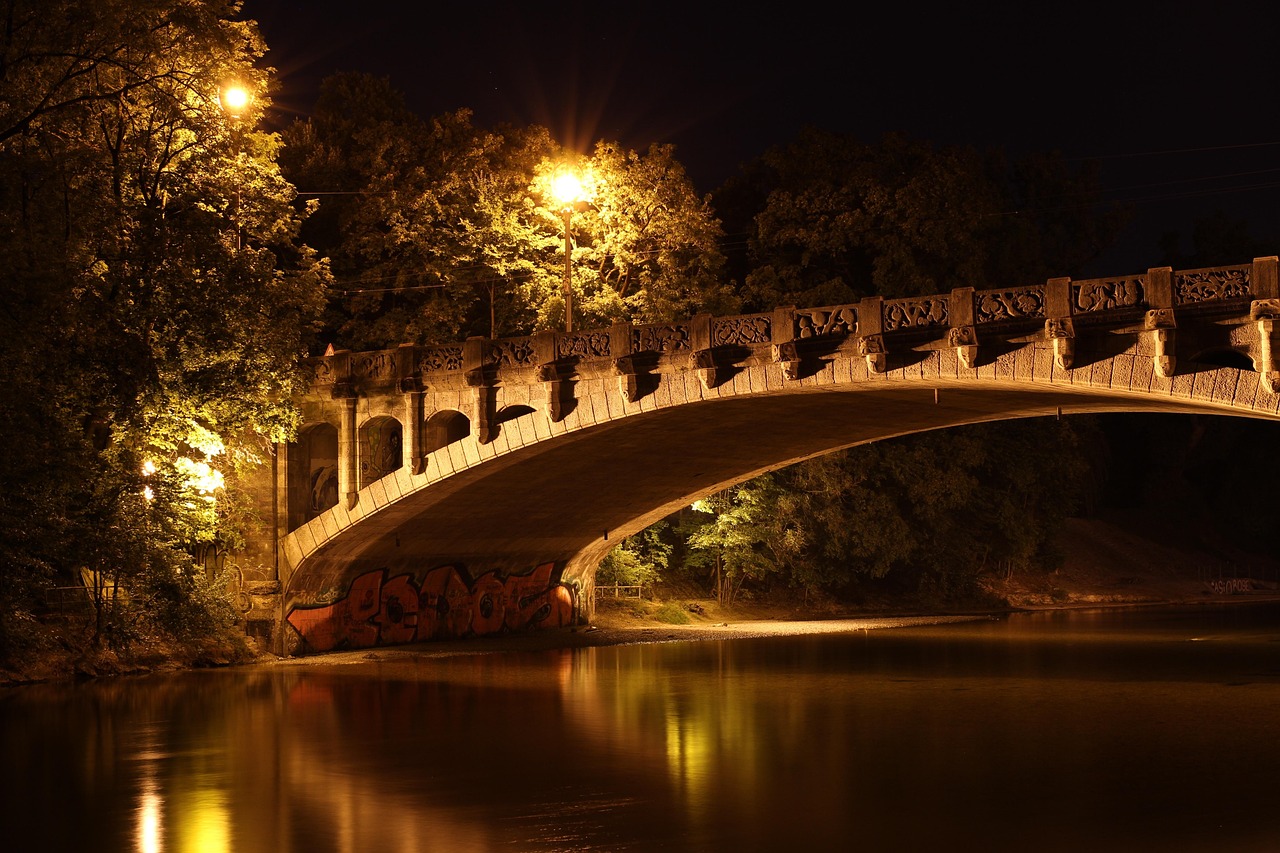
Photo: Rufus46, CC BY-SA 3.0, via Wikimedia Commons
The figures that do not exist
Three figures are missing, and any table that shows them anyway is guessing:
- Average prices per district. No public dataset for Munich gives separate room prices for the old town, Schwabing and Haidhausen. Guides work with price symbols, not amounts.
- Noise and petty crime per district. No measured noise levels, no offences per district. Everything said on the subject is reports, not statistics.
- Occupancy per day of the Wiesn. The data sits with the booking platforms and is not shared.
The choice in one sentence
First visit: the old town or Lehel, short distances beat everything. Going out: the Glockenbach quarter. Peace and local life: Haidhausen or Schwabing, with the travel time as the price. Wiesn on a budget: one station further out, which saves more than a hundred euros a night.
Further reading
Exactly where the districts are and how long the journeys take is in the city map with the districts. What the rides cost is under tickets and zones. If you are driving, count on park and ride rather than the city centre car parks. And for the days themselves: what is worth doing in Munich.
Sources
Sources: SiteMinder and Lighthouse, analysed in 2026, for the annual, autumn and Wiesn averages; discover-oktoberfest.com for the 2026 monthly averages and the price multiples; concisetravel.com for the category ranges and minimum stays.
Also: layla.ai for the price bands by distance from the Theresienwiese; oktoberfest-guide.com for the city versus surrounding region comparison in July 2026; munichtourism.org, wheresleep.com and cityunscripted.com for the district descriptions and measured journey times.
Plus truetripcosts.com for the Bavarian ban on accommodation tax, upheld by the constitutional court in 2025, and the city's official price list for beer and chicken (2024). The number of businesses comes from OpenStreetMap via the Overpass API, area 3600062428, as of 12 September 2026: it reflects the depth of supply, not the stock of any booking platform.
Frequently asked questions
Which area should you stay in when visiting Munich?
How much does a hotel night cost in Munich?
How expensive are hotels during Oktoberfest?
When should you book for Oktoberfest?
Is there a tourist tax in Munich?
Is the area around the main station safe?


Sophie Hartinger
Sophie worked at the front desk of a city-centre hotel for five years and answered the same questions about car parks and the U-Bahn every day. She writes the pages she would have liked to hand to her guests. She checks every price with the operator, never in a guidebook.