Things to do in Munich: what is worth it, and what is overpriced
On Sundays, the state museums cost €1 instead of seven to ten euros. The City Pass only pays off from three or four paid admissions. And Oktoberfest, soberly costed before you decide.
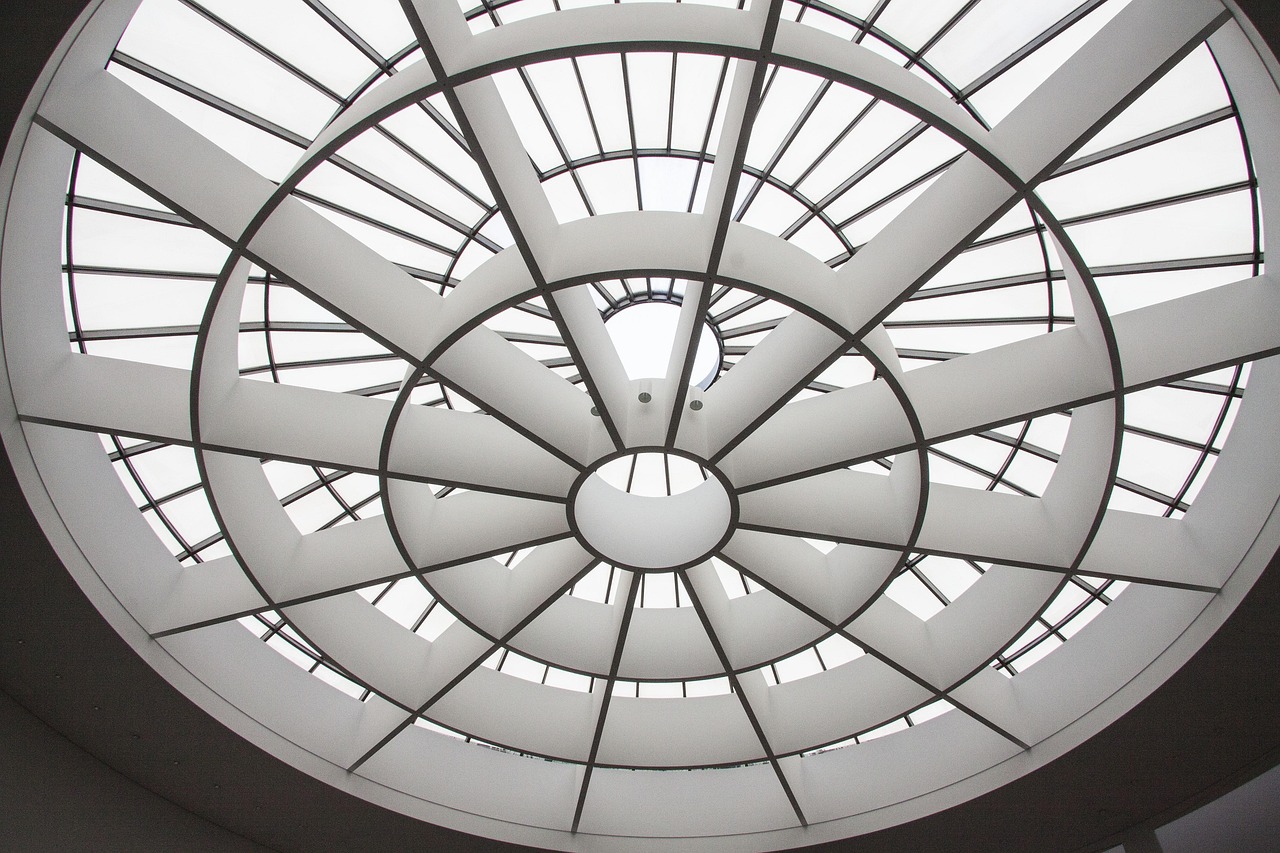
Munich has an unusual price structure: some of the finest museums in Europe cost seven to ten euros on a weekday and one euro on a Sunday, while the heavily advertised passes only pay off with intensive use.
This page does the sums for both. To put the commercial offer in context: on 12 September 2026, the GetYourGuide page for Munich listed around 37 activities.
How much is admission, and when does it cost one euro?
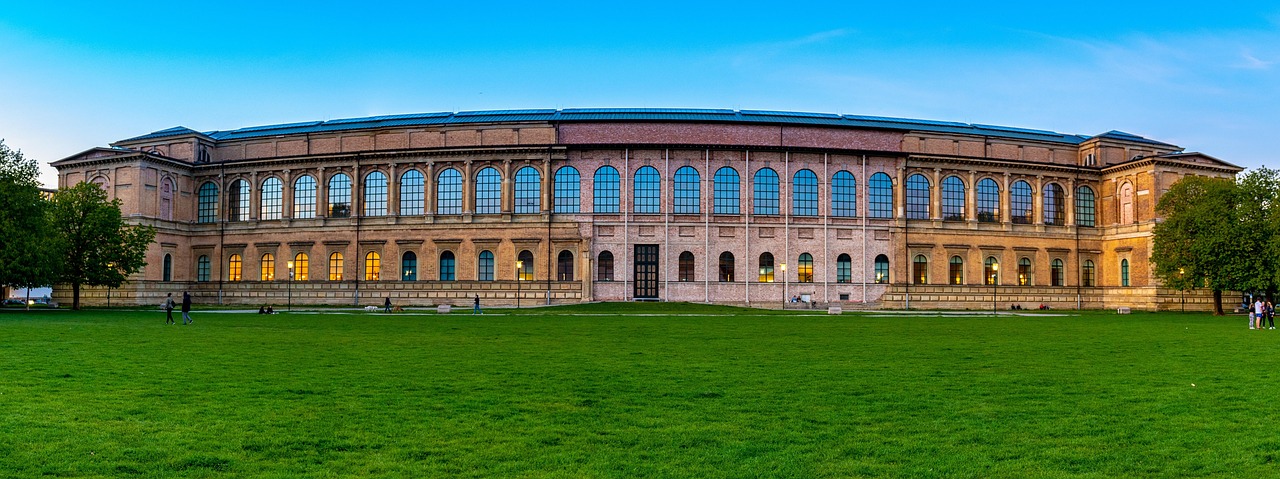
Bavaria's state museums charge everyone €1 admission every Sunday. This covers the Pinakothek galleries, the Bavarian National Museum, the Glyptothek, the State Collections of Antiquities, the Brandhorst, the Museum Five Continents, the Egyptian Museum and the Schack Collection.
| Museum | Standard price | Sunday |
|---|---|---|
| Alte Pinakothek | €9 | €1 |
| Pinakothek der Moderne | €10 | €1 |
| Museum Brandhorst | €7 | €1 |
| Bavarian National Museum | Around €7 | €1 |
| Deutsches Museum | €12 to €15 | full price |
The last row is the one most often reported wrongly. The Deutsches Museum is not part of the state museums group and charges the full price every day. Under 18, admission to the state museums is free anyway.
The price has a catch nobody mentions: Sunday is also the busiest day. If you want to see a major museum in peace, pay on a weekday and get room in front of the paintings in return.
When is the City Pass worth it?
Only with heavy use, and that can be put in numbers. A one-day City Pass for adults costs €39.90 without public transport, €55.90 with zone M, €66.90 for the whole network.
The five-day version costs €68.90 without public transport, €113.90 with zone M, €152.90 for the whole network.
Set that against the alternative: two state museums on a Sunday cost two euros, an inner zone day ticket €8.20 to €9.20. See two museums in a day and ride twice, and you spend a little over ten euros instead of forty.
So the pass pays off at three to four paid admissions a day plus rides, and not below that. The advertising gives the number of attractions included, not this threshold.
For families there is the München Card for groups of two to five people, from €10.90 without public transport, €29.90 with zone M, €44.90 for the whole network a day, though with discounts rather than free admissions.
For children aged six to fourteen, the City Pass costs €14.90 without public transport, €19.90 with public transport a day. That rarely pays off: admission to the state museums is free under 18 anyway, so the pass mostly pays for public transport.
For what the pass does not cover: guided tours, walks and day trips into the surrounding region can be booked individually and can usually be cancelled free of charge until shortly beforehand, which is a real argument given Munich's weather. The activities and guided tours in Munich show the duration and language in advance, so you can weigh a tour against a museum day.
See activities in Munich →Affiliate link: a booking through this link supports the site, at no extra cost to you.The free evenings
- Haus der Kunst: free admission every first Thursday of the month, 6pm to midnight.
- Villa Stuck: free admission every first Friday of the month, 6pm to 10pm.
- Lenbachhaus: free admission on the first Friday evening of the month.
- Kunsthalle München: half price at certain times, with no published list of the time slots.
These dates are scattered across the individual museums' websites. There is no consolidated overview for the whole city, and that is why most visitors miss them.
The English Garden and Nymphenburg
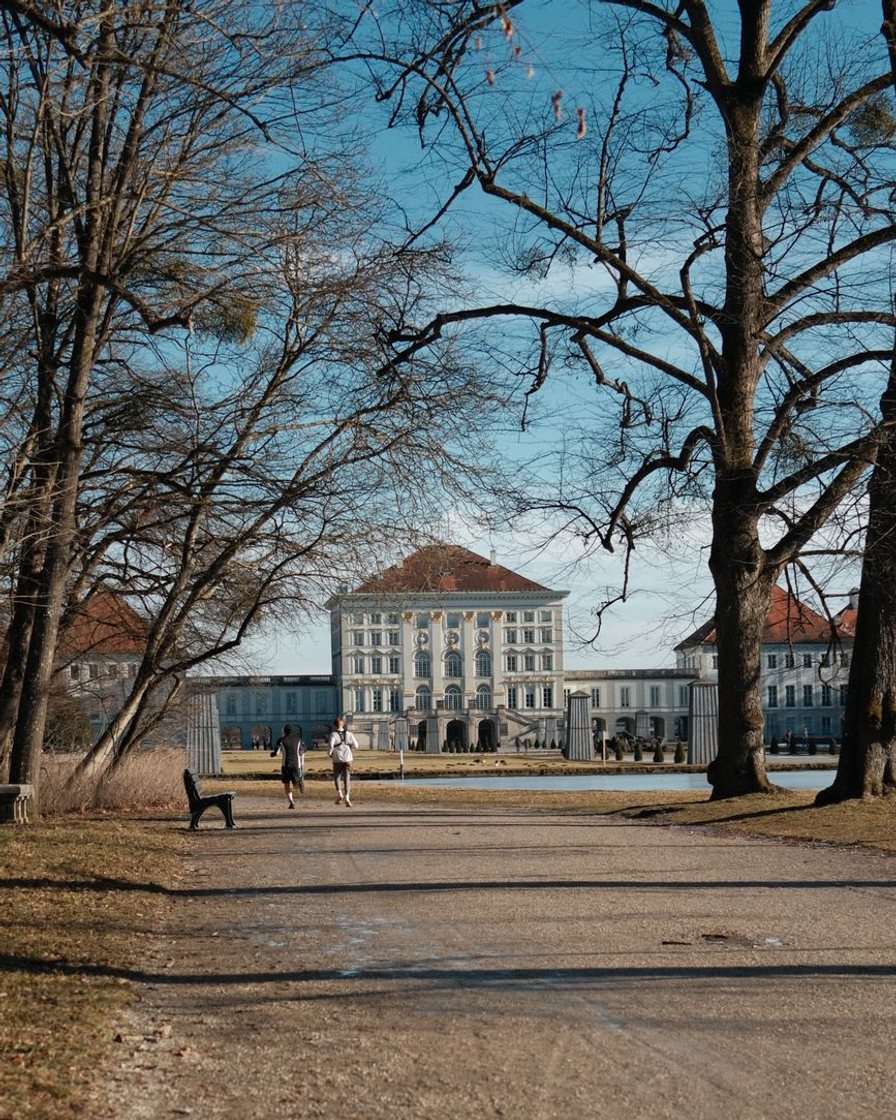
The English Garden is free to enter and the most reliable way to escape the crowds of the centre, especially during the Wiesn. Two to five hours is realistic, depending on the weather and your plans.
Nymphenburg Palace charges admission for its interiors; the Museum Mensch und Natur housed there belongs to the state museums group and so falls under the Sunday rate of €1. The palace park itself is free.
If you want both in one day, save the park for the evening. Visitor numbers drop noticeably then, while the city centre is at its fullest.
Oktoberfest, soberly costed
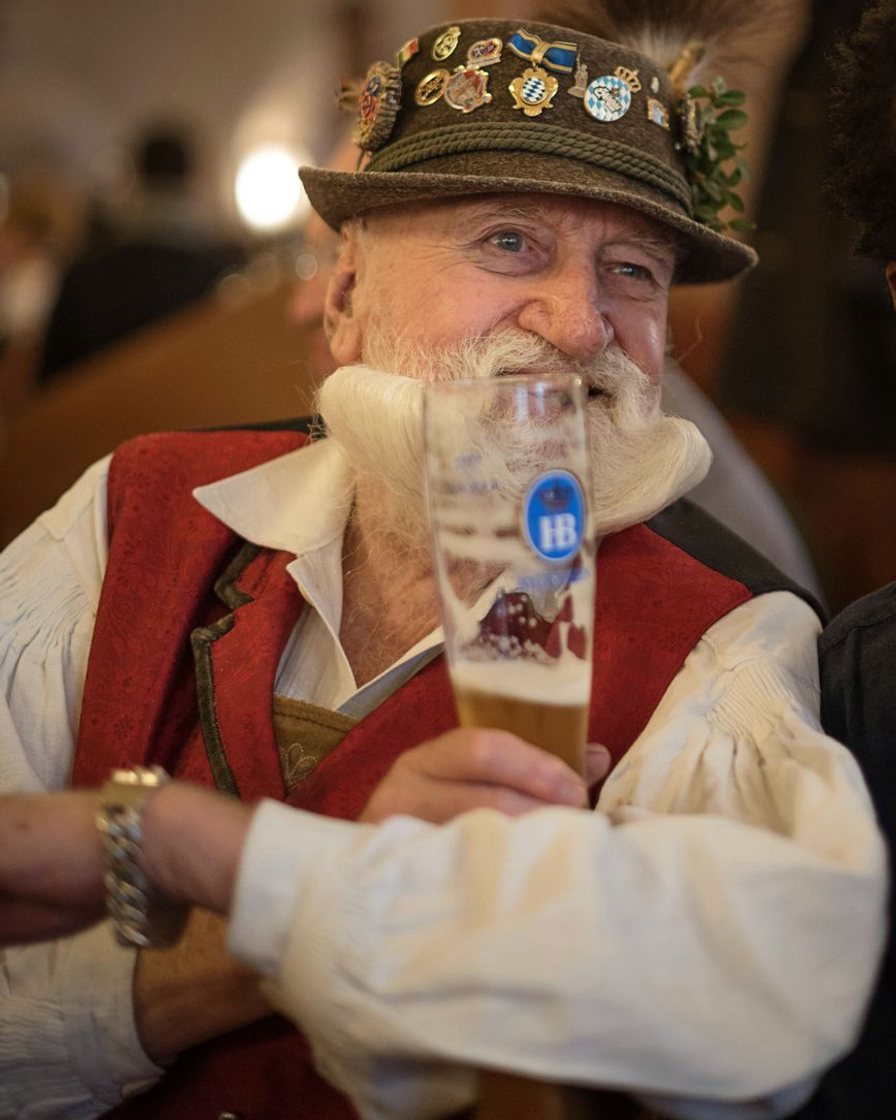
The Wiesn is the city's biggest draw and also its most expensive. A Mass (one-litre beer) cost €14.00 to €15.50 in the big tents, half a roast chicken €14 to €18. The grounds are open from 10am to 11:30pm.
A table reservation almost always includes a food and drink voucher of €60 to €80 per seat. For a weekend evening in one of the big tents there is hardly any way round it; on a weekday in the early afternoon there is.
If you are after culture or quiet, you are better off elsewhere at that time: the museums are comparatively empty, while the city centre and the lines to the Theresienwiese are not. That is the most honest recommendation the figures allow.
Without speaking German
The state museums label their collections mostly in two languages and offer audio guides; parks and beer gardens require hardly any language at all. The websites of the visitor passes are available in German and English.
It gets tighter with themed city tours, a large share of which are held in German. Which tours are offered in which language is listed in no central place, so you have to check provider by provider.
The missing details
- Visit durations. No official source gives average visit times per museum. Two to four hours for a major museum is a rule of thumb, not a published figure.
- Price of the city's Family Pass. The benefits are described, but the annual price does not appear in the accessible sources.
- Waiting times. Neither for the Wiesn nor for the one-euro Sundays are waiting times or capacities published.
- Resale mark-ups. Several sources report that table places are resold at a mark-up. None gives figures.
One inconsistency has to be named explicitly: some travel sites say "free on the first Sunday of the month". The official sites say every Sunday for one euro. We follow the official information.
The best-value plan in one sentence
Sunday: two state museums for two euros, early in the day. Weekday: one major museum at full price, without the crush. Evening: the English Garden or the palace park, free and empty while the city centre is full.
Further reading
Where the museums are and how long the journeys take is in the city map with the districts. The rides between them cost what is listed under tickets and zones. And the question of where to stay is answered by the district guide to where to stay, including the price ranges during the Wiesn.
If you would rather book straight away: the places to stay in Munich for your dates show which districts fit your plans before you schedule the museum days.
Sources
Sources: muenchen.de and museen-in-bayern.de for the Sunday rate and the free evenings, settledin.eu for the standard prices of the state museums (2025 and 2026), munichtourism.org for the status of the Deutsches Museum as a privately run foundation charging the full rate.
Also: munich.travel and muenchen.travel for the prices of the München Card and City Pass (2026), stadt.muenchen.de for the Family Pass, whose annual price is not shown there, and the city's official price list for beer and chicken (2024).
The number of listed activities was counted on the GetYourGuide Munich page on 12 September 2026 and is an order of magnitude, not an official figure.
Frequently asked questions
Which museums in Munich cost one euro on Sundays?
Is the Deutsches Museum cheaper on Sundays too?
Is the Munich City Pass worth it?
Which museums in Munich are free in the evening?
How much does an evening at Oktoberfest cost?
Can you get by in Munich without speaking German?
Lukas Brandstetter
Lukas led guided tours of the old town for six years before he started writing. He walks his routes with a stopwatch and cuts whatever does not fit into a real day. He would rather write that a museum is not worth it than pad out a list.